
Best Manuka Honey: Top Brands Compared and Priced
Every major brand compared on label data. Sorted by price per gram of MGO and labelled potency. Real UMF and MGO numbers, real prices, no marketing math.
Brand comparison
10 manuka honey brands, compared on label data
Cost per gram of MGO is the price of the jar divided by how many grams of labelled methylglyoxal it contains. Default order is lowest cost per gram of MGO first. This table compares label facts and prices; it is not an editorial ranking.
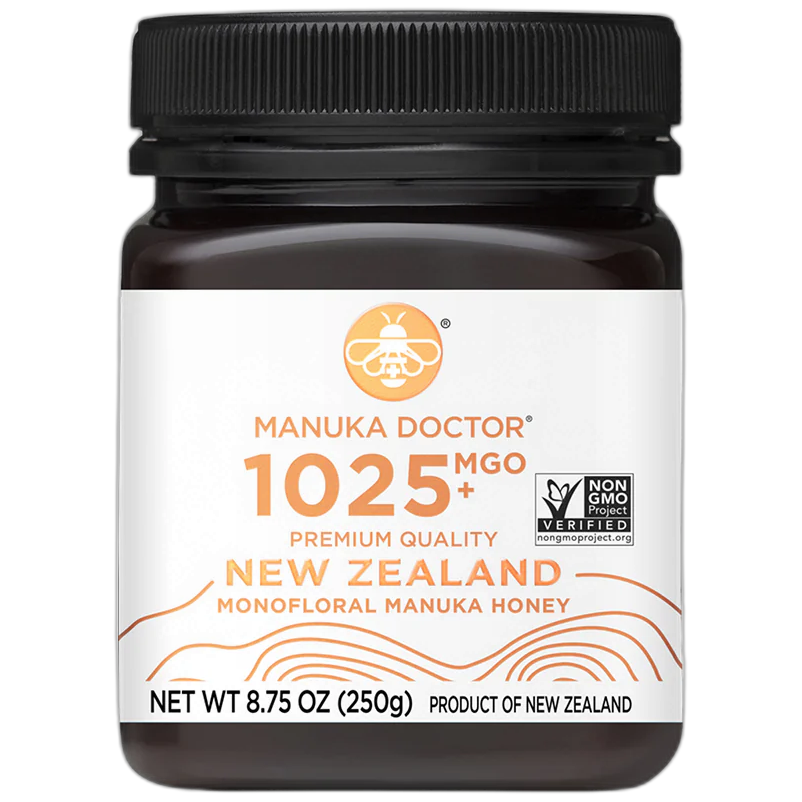
- Manuka Doctor MGO 1125 Manuka HoneyMGO 1125250gNew Zealand
Price
From $49.99
Cost per gram MGO
$178
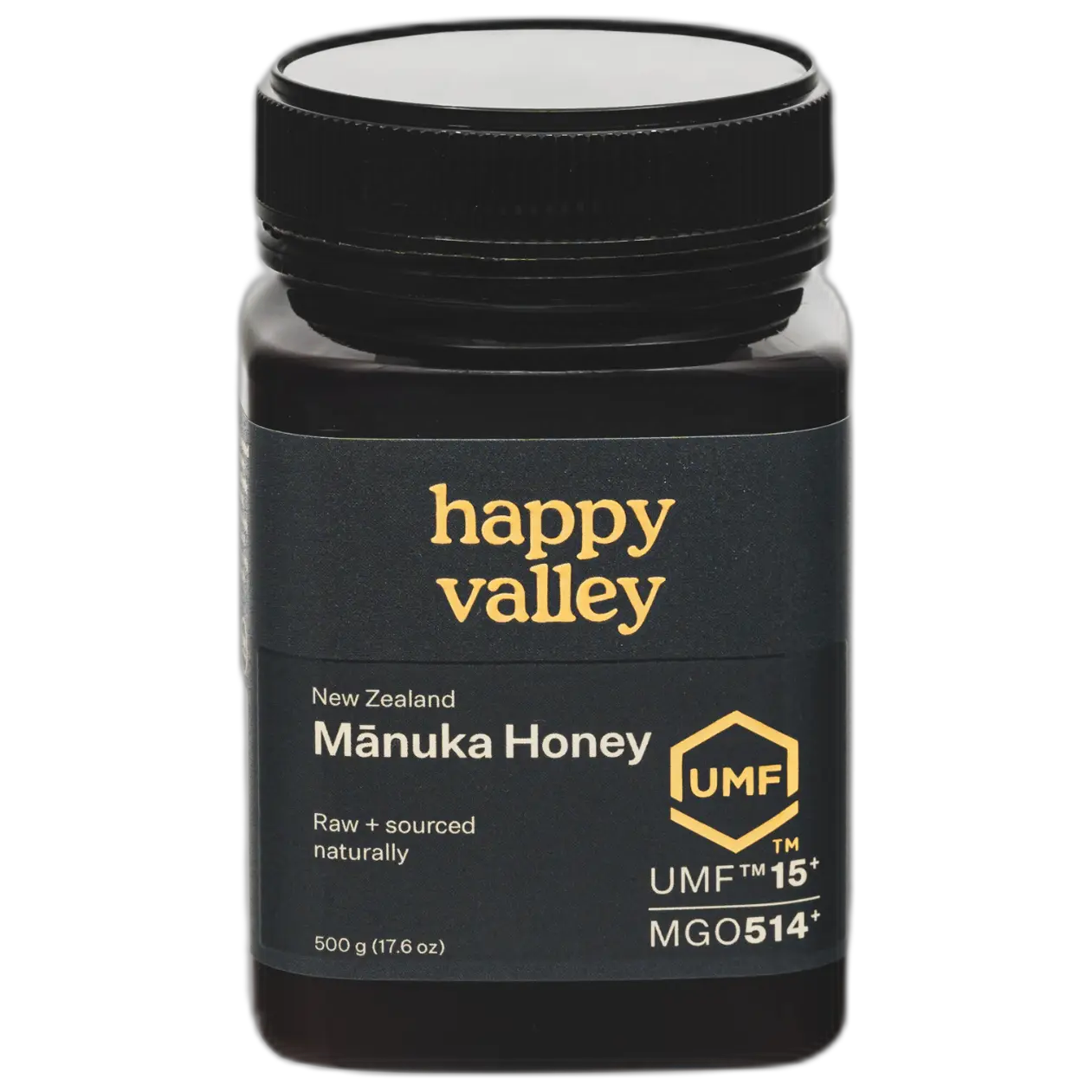 Happy Valley UMF 18+ Manuka HoneyUMF 18+MGO 696250gNew Zealand
Price
From $57.99
Cost per gram MGO
$333
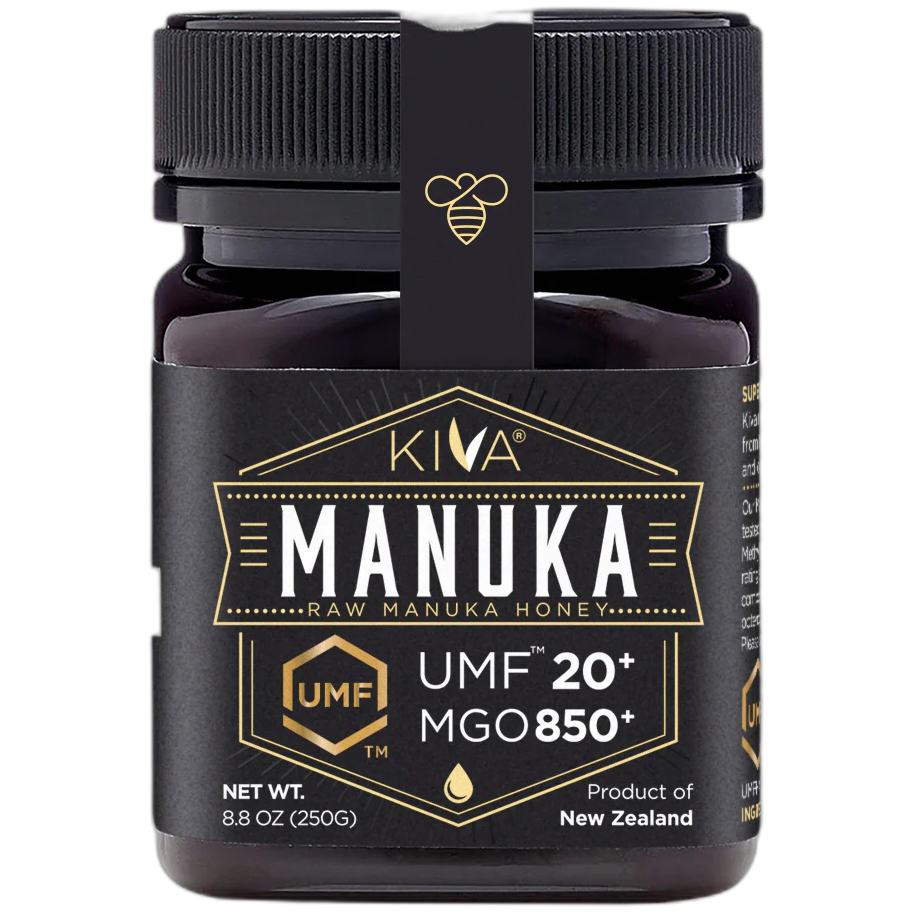 Kiva UMF 20+ Raw Manuka HoneyUMF 20+MGO 829250gNew Zealand
Price
From $69.99
Cost per gram MGO
$338
- Manukora UMF 20+ Manuka HoneyUMF 20+MGO 850250gNew Zealand
Price
From $74.99
Cost per gram MGO
$353
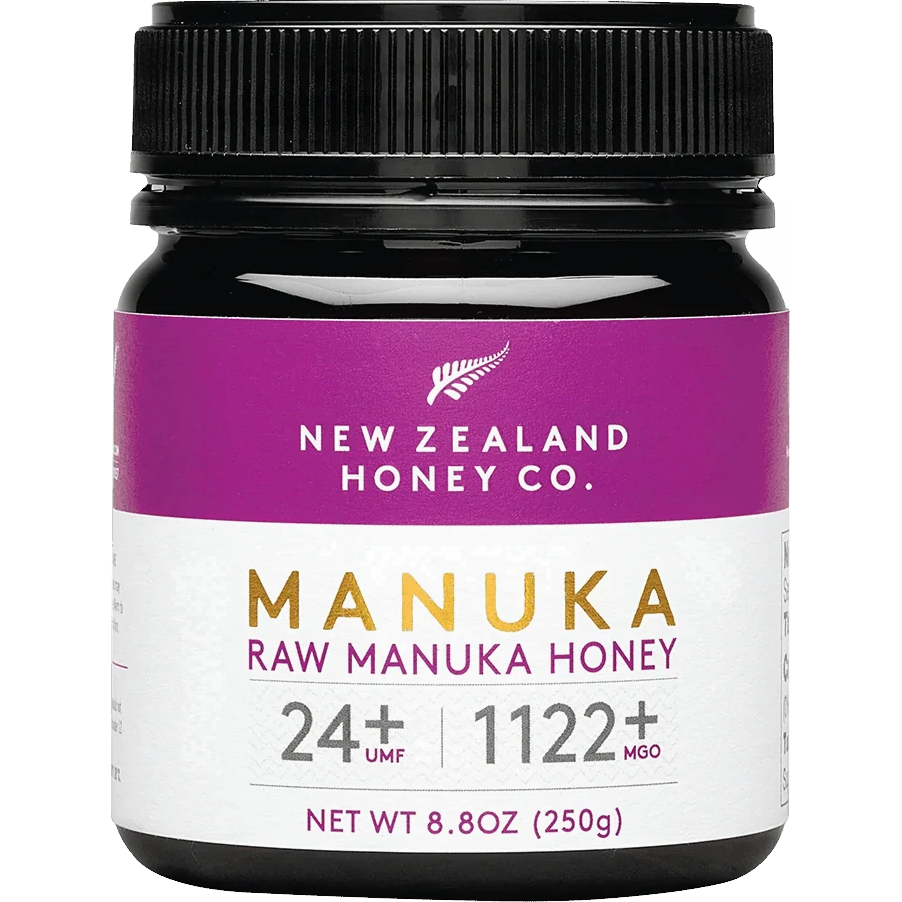
- New Zealand Honey Co. UMF 24+ Manuka HoneyUMF 24+MGO 1122250gNew Zealand
Price
From $99.99
Cost per gram MGO
$356
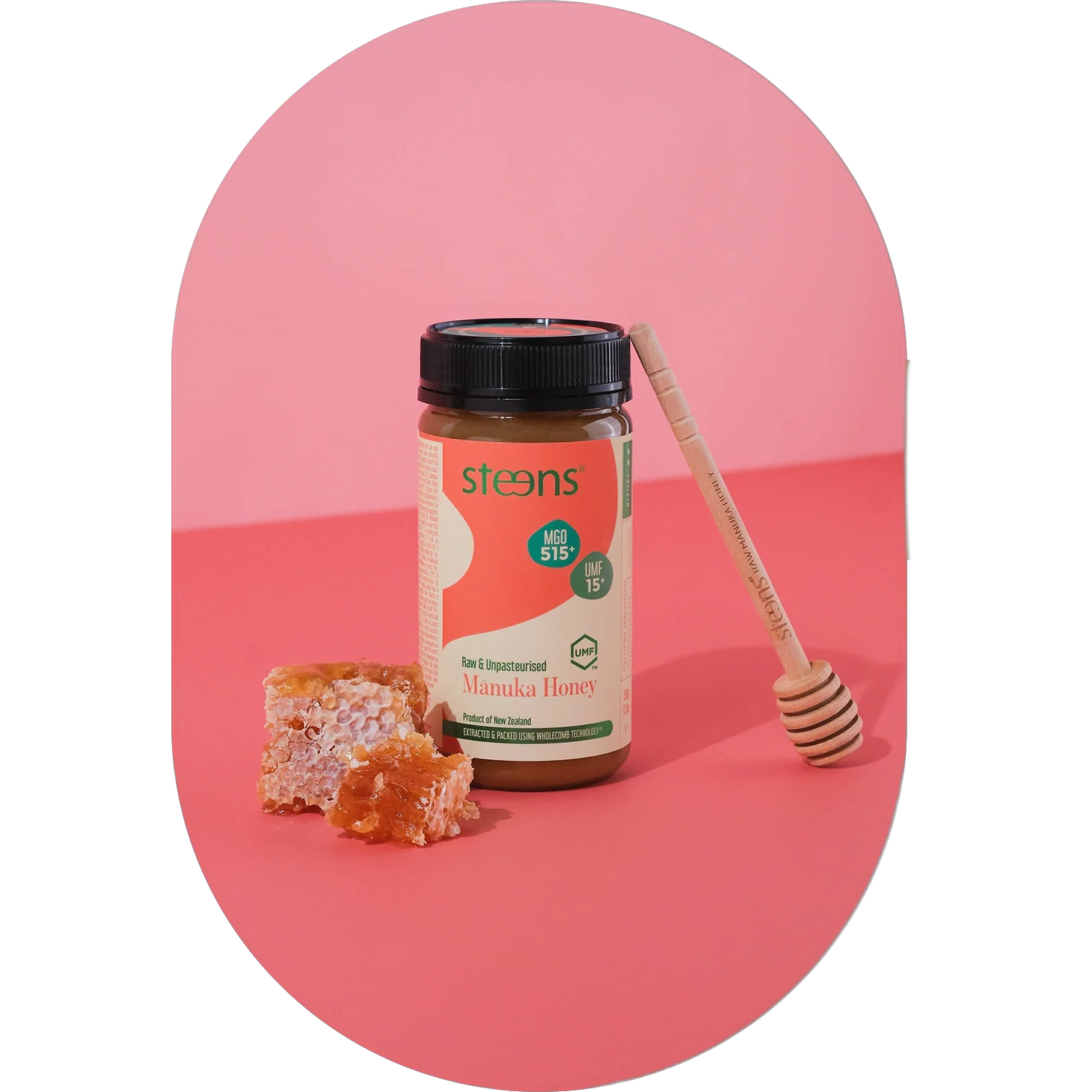 Steens UMF 15+ Manuka HoneyUMF 15+MGO 514340gNew Zealand
Price
From $64.99
Cost per gram MGO
$372
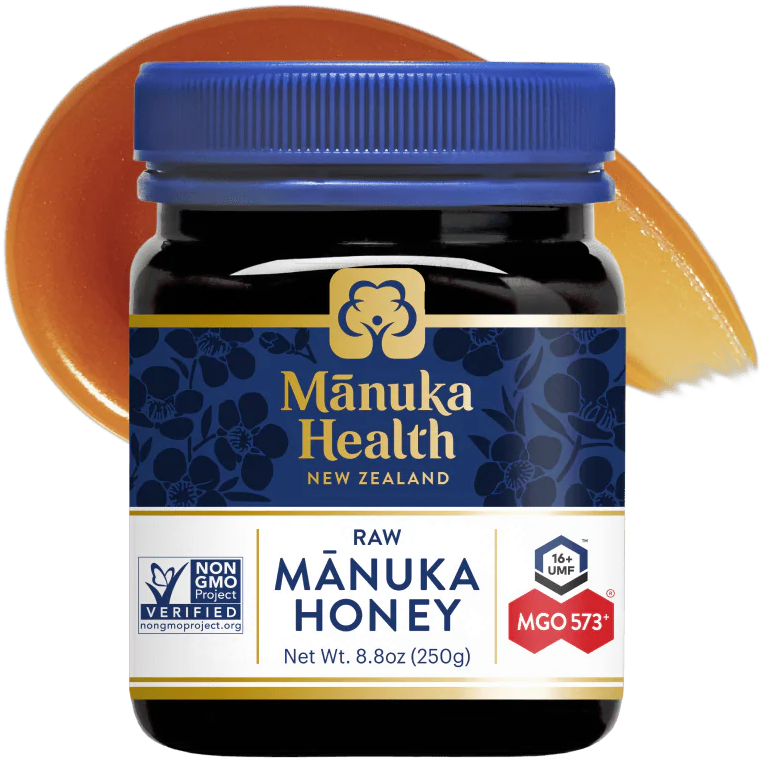 Manuka Health UMF 16+ MGO 573+ Manuka HoneyUMF 16+MGO 573250gNew Zealand
Price
From $54.99
Cost per gram MGO
$384
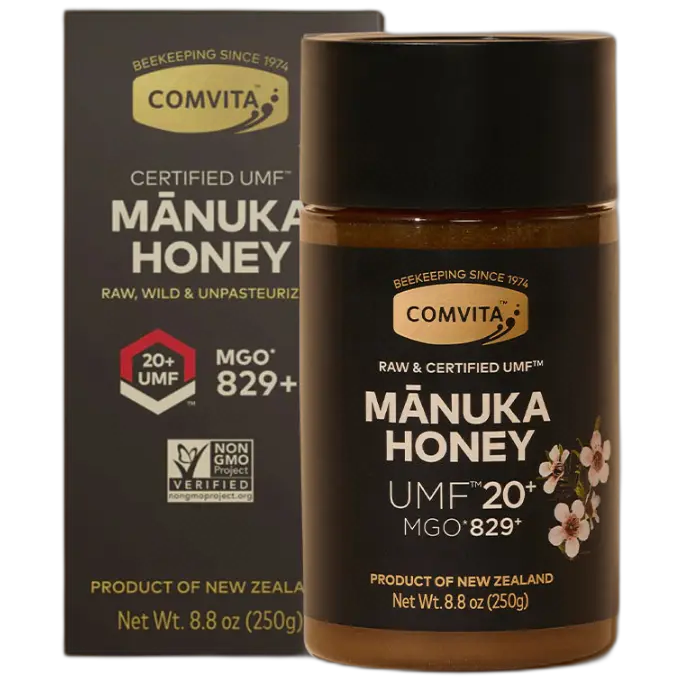 Comvita UMF 20+ Manuka HoneyUMF 20+MGO 829250gNew Zealand
Price
From $79.99
Cost per gram MGO
$386
 Wedderspoon KFactor 16+ Raw Manuka HoneyMGO 263250gNew Zealand
Price
From $29.99
Cost per gram MGO
$456
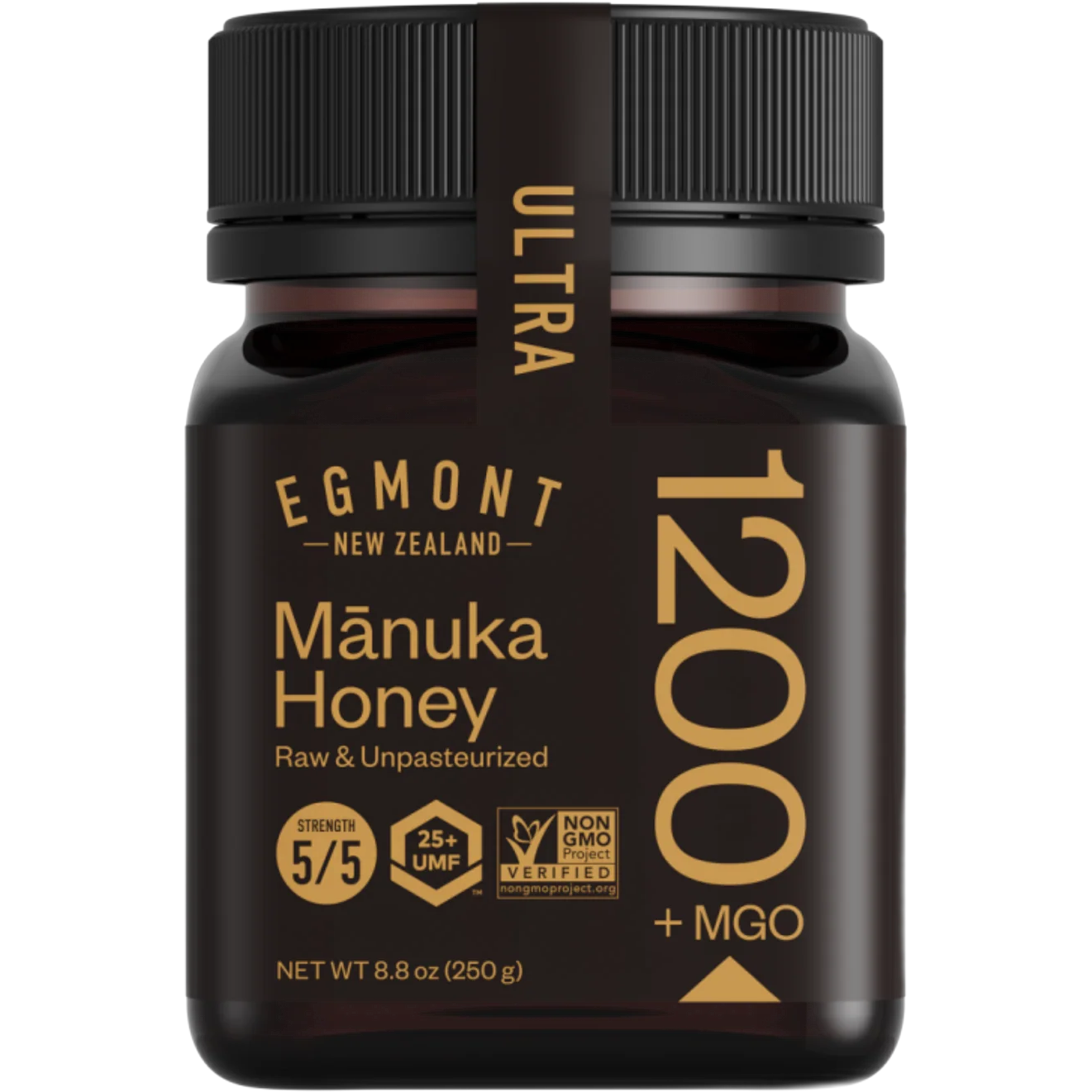
- Egmont UMF 23+ MGO 1050+ Manuka HoneyUMF 23+MGO 1050250gNew Zealand
How this list works. Every brand listed holds UMF certification per its published brand documentation, and every price shown carries the date it was checked. Affiliate commission is disclosed inline. We do not accept payment for placement, and we do not test products.
How this list is ordered
The comparison table above sorts by cost per gram of MGO, the metric that exposes the cheap-jar trap. Lower is better. UMF and MGO numbers are shown exactly as printed on each product’s current label.
How to read a Manuka label
Three numbers matter. The UMF rating (5+ to 24+) is the antibacterial-activity certification administered by the UMF Honey Association. The MGO content in mg/kg is the methylglyoxal concentration, the principal antibacterial compound. The jar size determines total active compound, which is what the price-per-gram-of-MGO calculation actually rewards.
Anything labelled "Manuka" without one of these numbers has not been antibacterial-tested. It may still be real Manuka, but the antibacterial activity that justifies the category\'s price premium is not verified. For the full breakdown, see what UMF means, what MGO measures, and how NPA works.
Which UMF level should you buy?
For daily sweetening or general culinary use, UMF 5+ to 10+ is sufficient and substantially cheaper. For the higher-MGO range studied in laboratory antibacterial research, UMF 15+ or above. For the research-aligned premium tier, UMF 20+ corresponds to MGO 829+. See our use-case roundups:
- Best for daily use (UMF 5+ to 14+)
- Best UMF 20+ (premium tier)
- Best under $50 (value tier)
- Best from New Zealand (UMF-certified origin)
- Is the jar real? Authenticity guide
How to spot a counterfeit
Three checks rule out the obvious fakes. The jar should carry a UMF licence number (4-digit) cross-referenceable at umf.org.nz. It should declare New Zealand origin with a traceable batch number. It should print a certified MGO or NPA value, not just "Manuka" in marketing copy. For the full counterfeit-detection guide, see our fake honey guide.
Common questions
What is the best Manuka honey overall?
There is no single objective answer, so the table above sorts on cost per gram of labelled MGO instead of an editorial score. New Zealand Honey Co. UMF 24+ carries the highest labelled grade in the table, and Comvita UMF 20+ is the most widely stocked high-grade jar at US retailers.
How much MGO is enough?
MGO is a concentration label, not a recommendation, and no authority publishes an intake guideline for any purpose. Higher bands cost steeply more per gram of MGO, so match the grade to your budget rather than to a promised effect.
How long does Manuka honey last?
Indefinitely if stored sealed at room temperature. Honey does not expire. MGO content can continue to evolve in the jar over the first 18 to 24 months as residual DHA converts. Crystallisation is normal and does not indicate spoilage. See why honey crystallizes.
Should Manuka honey be refrigerated?
No. Refrigeration accelerates crystallisation. Keep the jar sealed at room temperature in a cupboard. If it does crystallise, warm gently in warm (not boiling) water until liquid.
Can you buy Manuka honey at Costco, Trader Joe\'s, or Whole Foods?
All three carry Manuka. Costco typically stocks Manuka Health UMF 20+ at near-direct pricing. Whole Foods carries Wedderspoon and sometimes Comvita. Trader Joe\'s Manuka is multifloral and not UMF-certified, buy elsewhere if you want verified potency.
What is the difference between Manuka honey and raw honey?
"Raw" describes processing (not pasteurised, not finely filtered). "Manuka" describes the floral source (bees foraging on Leptospermum scoparium). The terms are independent. Most quality Manuka is also raw, but you can have raw clover honey or pasteurised Manuka. For the antibacterial activity that justifies the Manuka premium, the MGO content matters, not whether the honey was heated.