
Best Manuka Honey Under $50: Real Antibacterial Activity Without the Premium
Real Manuka honey can be expensive, but certified jars exist at the lower price end. The brands here are all UMFHA-certified or carry certified MGO numbers, and all retail under $50.
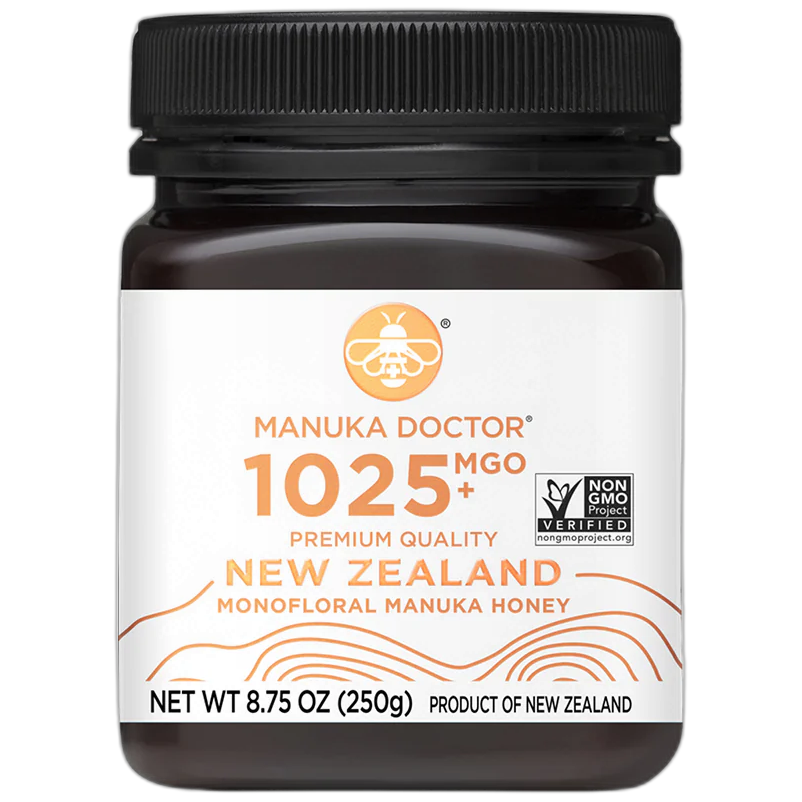
Brand comparison
2 manuka honey brands, compared on label data
Cost per gram of MGO is the price of the jar divided by how many grams of labelled methylglyoxal it contains. Default order is lowest cost per gram of MGO first. This table compares label facts and prices; it is not an editorial ranking.
- Manuka Doctor MGO 1125 Manuka HoneyMGO 1125250gNew Zealand
Price
From $49.99
Cost per gram MGO
$178
- Wedderspoon KFactor 16+ Raw Manuka HoneyMGO 263250gNew Zealand
Price
From $29.99
Cost per gram MGO
$456
The under-$50 reality check
Plenty of products labelled "Manuka honey" sell for $15-$30 in supermarkets. Most are not what serious buyers mean by Manuka. Real Manuka, in the sense of UMF-certified or verified-MGO honey from New Zealand, starts at roughly $30-$40 for the lowest UMF tiers (5+ to 10+) and climbs from there.
The cheapest jar that delivers measurable antibacterial activity is typically a UMF 10+ from one of the established producers. Below that price point, you are usually buying multifloral or table-grade Manuka, which is real Manuka but lacks the verified non-peroxide activity that justifies the category's reputation.
What we filtered out
This list excludes:
- Jars without UMF certification or a certified MGO number (regardless of price)
- Multifloral Manuka labelled as monofloral (a known counterfeit pattern; see our fake honey guide)
- "Manuka-style" honey from countries other than New Zealand and Australia
How to think about value at this tier
The per-gram cost of MGO matters more than the jar price. A $35 UMF 10+ jar (MGO 263) and a $45 UMF 15+ jar (MGO 514) can deliver very different value per unit of active compound. The comparison table above sorts by cost-per-gram-of-MGO; lower is better.
A few honest caveats:
- Jar size affects the calculation. A 250 g UMF 10+ at $35 has more total MGO than a 125 g UMF 15+ at $35.
- Promotional pricing and retailer discounts shift the calculation week to week. The prices shown are what we have last verified.
- Buying direct from the brand on subscription often beats per-jar retail pricing.
Who should buy at this tier
UMF 5+ through 15+ jars are the common choice for everyday use, sweetening tea, and general culinary applications. Real antibacterial activity is present at this tier, supported by the same MGO-driven mechanism as higher-grade jars (see how NPA works). For specific use cases that have research behind them at higher MGO levels, a UMF 16+ or 20+ jar is the more research-aligned option.
Common questions
Is Manuka under $30 ever worth buying?
Rarely. Below $30 you are usually paying for the Manuka label without the verified potency that defines the category. There are honest exceptions on promotional pricing or smaller jar sizes.
Is the cheaper jar from the same brand the same Manuka, just lower potency?
Yes, typically. A brand's UMF 10+ and UMF 20+ are the same source honey at different MGO concentrations, set by maturation time and selection of higher-DHA initial nectar.